
Facial Surgery
Blepharoplasty in Portugal (Eyelid Surgery)
Upper and lower eyelid surgery in Lisbon for UK patients, reducing excess skin, puffiness and signs of fatigue with specialist recovery guidance.
Book a ConsultationFacial Surgery
What is Blepharoplasty?
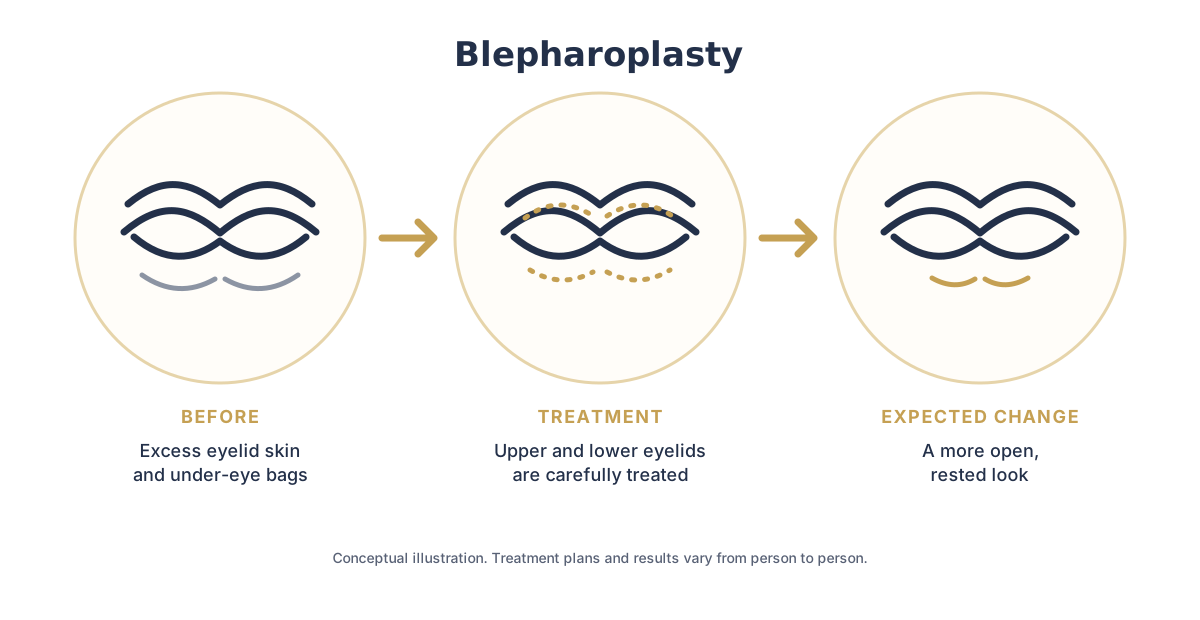
Blepharoplasty is a surgical procedure to correct the appearance of the upper and lower eyelids. As we age, the skin around the eyes loses elasticity, and the underlying fat deposits may shift, creating the appearance of heaviness, puffiness, or persistent fatigue, regardless of how rested you are.
Upper eyelid blepharoplasty removes excess skin that may be beginning to impair the visual field. Lower eyelid blepharoplasty addresses puffiness, bags, and excess skin beneath the eyes. Both procedures can be performed together, and may be combined with a facelift or brow lift for a more complete result.
The incisions are placed in the natural creases of the eyelid, making scarring virtually invisible once healed.
Is this right for you?
- Excess skin on the upper eyelids, which may partially obstruct your vision
- Fat deposits or bags beneath the lower eyelids
- Persistent appearance of fatigue or ageing around the eyes
- You want subtle, natural-looking results
Recovery & Aftercare
What to Expect
First Week
Mild swelling and bruising around the eyes is expected. Cold compresses are helpful. Most patients are comfortable returning to normal daily activities from day 4–5.
Weeks 2–4
Bruising fully resolves and swelling continues to subside. Scarring begins to fade and becomes easier to conceal with make-up if desired.
Long-Term
Scars are hidden in the natural crease of the eyelid and along the lash line, becoming almost imperceptible within a few months. Results are long-lasting.
For UK Patients
Planning Eyelid Surgery in Lisbon
Blepharoplasty is often a shorter procedure than larger body surgeries, but UK patients still need a sensible recovery window before flying. Swelling, bruising, eye dryness and light sensitivity should be considered when planning work, travel and social commitments.
Your consultation will clarify whether upper eyelid surgery, lower eyelid surgery or a combined approach is appropriate, and whether any pre-existing eye condition needs additional assessment before treatment is planned.
Eyelid Surgery
Are You a Suitable Candidate?
You have excess skin on your upper eyelids, which may affect your peripheral vision or cause a heavy, tired appearance
You have puffiness or bags under your eyes that do not resolve with rest
You have deep tear troughs or hollowing of the lower eyelid area
You are dissatisfied with the appearance of your eyelids and have realistic expectations about what surgery can achieve
You are in good general health and do not have active eye conditions such as dry eye syndrome or glaucoma
Blepharoplasty can be performed on the upper eyelids, lower eyelids, or both. Suitability is assessed individually at consultation, including a review of your eye health, skin quality, and expectations. Patients with certain eye conditions, including dry eye syndrome, may not be suitable candidates.
Your Journey
Consultation Process for UK Patients
Initial Consultation
Your first consultation can be conducted via video call or in person at our clinic in Lisbon. This is an opportunity to discuss your goals, review your medical history, and ask any questions before any decisions are made.
Pre-operative Assessment
Pre-operative blood tests and medical clearance are completed before you travel to Lisbon. Your surgeon will provide clear pre-operative instructions, including guidance on medications, smoking, and nutrition.
Surgery in Lisbon
Your procedure takes place at our fully certified surgical facility in Lisbon. You will be supported throughout by our clinical team, with clear guidance on what to expect at every stage.
Recovery and Return
Recovery from blepharoplasty is typically 1–2 weeks, with most patients returning to normal activity from day 4–5. You can usually fly home within 2 weeks of surgery, and follow-up care is provided by our Oxford nursing team.
Follow-up in Oxford
Post-operative follow-up is provided by our NMC-registered Advanced Nurse Practitioners in Oxford, ensuring your recovery is monitored by qualified professionals without repeated travel to Portugal.
Important Information
Risks and Considerations
Blepharoplasty is generally a well-tolerated procedure, but as with all surgery, risks exist. Your surgeon will discuss these fully at consultation.
- Bruising and swelling: expected and typically resolves within 1–2 weeks
- Temporary blurring of vision or sensitivity to light in the days following surgery
- Dry eyes: may be worsened by surgery; important to disclose pre-existing dry eye
- Asymmetry of results
- Scarring: scars are placed in the natural crease of the upper lid and along the lower lash line, and typically become almost imperceptible
- Over-correction (ectropion): pulling down of the lower lid, rare with experienced surgeons
- Infection: uncommon, managed with antibiotics
FAQs
Frequently Asked Questions
Can upper and lower eyelids be treated at the same time?
Yes. Upper and lower blepharoplasty are frequently performed together in a single procedure. Your surgeon will advise on the most appropriate approach based on your anatomy and goals.
Where are the scars placed?
Upper eyelid scars are placed within the natural crease of the lid, where they are concealed when the eye is open. Lower eyelid scars are placed just below the lash line, or entirely inside the eyelid (transconjunctival approach) in younger patients with good skin tone and no excess skin.
How long does recovery take?
Most patients feel comfortable returning to normal daily activities within 4–5 days. Bruising and swelling are typically resolved within 1–2 weeks. Make-up can be used to conceal residual marks from around day 5–7.
Will the results last permanently?
Blepharoplasty produces long-lasting results. While ageing continues after surgery, most patients do not require repeat treatment for many years. Results on the upper lids tend to last 7–10 years or more.
Ready to Take the Next Step?
Book a consultation with our specialist plastic surgery team in Lisbon, with pre and post-operative support available in Oxford.