
Medical Conditions
Lipedema Surgery in Portugal
Surgical treatment for lipedema in Lisbon for UK patients, with specialist assessment, recovery planning and post-operative support.
Book a ConsultationMedical Conditions
What is Lipedema?
Lipedema is a chronic, progressive medical condition characterised by the abnormal and symmetrical accumulation of fat, primarily in the legs and, in some cases, the arms, while typically sparing the feet and hands. It is frequently misdiagnosed as obesity or lymphoedema, but is a distinct condition with its own causes, symptoms, and appropriate treatments.
It affects almost exclusively women (approximately 10% of the female population) and is thought to have a strong genetic component, up to 60% of patients have an affected family member. It typically develops or worsens at times of hormonal change: puberty, pregnancy, and menopause. Symptoms include disproportionate fat distribution, pain and tenderness to touch, easy bruising, swelling, and significant impact on quality of life and mobility. Crucially, the fat deposits of lipedema do not reduce with caloric restriction or exercise, distinguishing it clearly from obesity.
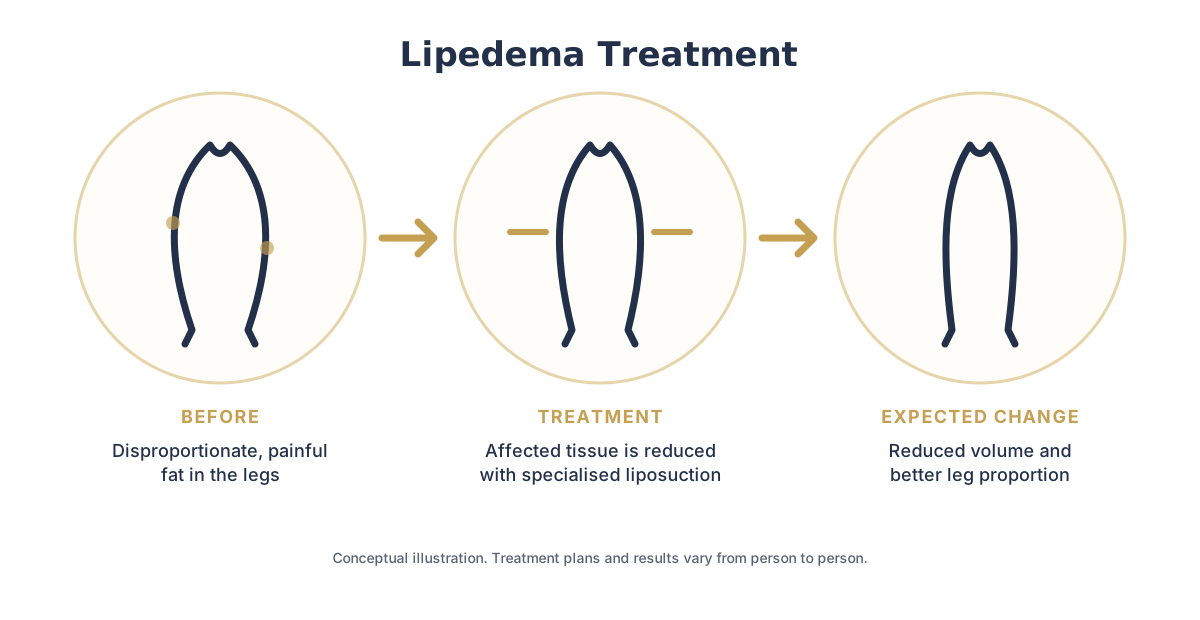
Surgical treatment, specifically, water-jet-assisted or tumescent liposuction performed by a surgeon with specialist experience in lipedema, can significantly reduce volume, relieve pain, and improve mobility and quality of life.
Is this right for you?
- You have disproportionate fat accumulation in your legs or arms that is symmetrical
- Fat deposits that have not responded to diet or exercise
- Pain, tenderness, or easy bruising in the affected areas
- A confirmed or suspected diagnosis of lipedema
Recovery & Aftercare
What to Expect
First Weeks
Recovery is more demanding than standard liposuction, given the extent of the areas treated. Compression garments are essential from day one and worn consistently throughout.
Weeks 2–8
Improvement accelerates from week 3. Some swelling and volume variation is normal for up to 6 months. Activity levels are gradually increased under clinical guidance.
Long-Term
Full results become apparent at 6 months. Many patients experience significant pain relief and improved mobility. Maintenance physiotherapy and compression therapy is recommended long-term.
Medical Conditions
Are You a Suitable Candidate?
You have a confirmed or suspected diagnosis of lipedema, typically characterised by symmetrical fat accumulation in the legs and/or arms, preserved feet and hands, pain or tenderness to touch, and easy bruising
You have not achieved adequate symptom control after at least 6 months of conservative treatment, including lymphatic drainage, compression therapy, and low-impact exercise
Your weight has been stable and you are not managing active obesity alongside lipedema
You are in good general health and understand that surgery reduces fat and symptoms but does not cure the underlying condition
Lipedema surgery is not appropriate as a first-line treatment. Conservative measures should be tried first, and surgery is considered when these have not produced sufficient benefit. A confirmed or clinically suspected diagnosis is required. Your suitability is assessed individually at consultation by a surgeon experienced in lipedema-specific surgical technique.
Your Journey
Consultation Process for UK Patients
Initial Consultation
Your first consultation can be conducted via video call or in person at our clinic in Lisbon. This is an opportunity to discuss your goals, review your medical history, and ask any questions before any decisions are made.
Pre-operative Assessment
Pre-operative blood tests and medical clearance are completed before you travel to Lisbon. Your surgeon will provide clear pre-operative instructions, including guidance on medications, smoking, and nutrition.
Surgery in Lisbon
Your procedure takes place at our fully certified surgical facility in Lisbon. You will be supported throughout by our clinical team, with clear guidance on what to expect at every stage.
Recovery and Return
Surgery for lipedema typically requires 1–2 nights in hospital and a recovery period of approximately 2 months before returning to full activity. Flying is not recommended for 2 months following surgery. Lymphatic drainage is an important part of the post-operative recovery plan and should be arranged in the UK before surgery.
Follow-up in Oxford
Post-operative follow-up is provided by our NMC-registered Advanced Nurse Practitioners in Oxford, ensuring your recovery is monitored by qualified professionals without repeated travel to Portugal.
Important Information
Risks and Considerations
Lipedema surgery involves liposuction using techniques designed to protect the lymphatic system. As with all surgery, it carries risks that your surgeon will discuss in full at consultation.
- Thromboembolic events (DVT/pulmonary embolism): the most serious risk; prevented by strict adherence to anticoagulant therapy, early mobilisation, compression, and lymphatic drainage
- Infection: managed with antibiotics; patients should report signs of infection promptly
- Bruising and prolonged swelling: significant and expected; lymphatic drainage is essential to recovery
- Changes in sensation: temporary or prolonged numbness in treated areas
- Contour irregularities: more common in extensive or staged procedures
- Hypertrophic scarring at entry points: incisions are very small (approximately 4 mm)
- Lymphatic system complications: rare when surgery is performed by a surgeon experienced in lipedema-specific technique
FAQs
Frequently Asked Questions
Does surgery cure lipedema?
No. Lipedema is a chronic condition with no known cure. Surgical liposuction using lymphatic-sparing technique can significantly reduce the volume of abnormal fat, relieve pain and tenderness, and improve quality of life, but it does not prevent the condition from progressing over time. Conservative measures remain important after surgery.
How is lipedema different from obesity or cellulite?
Lipedema involves a pathological, symmetrical accumulation of fat, primarily in the legs and arms, that does not respond to diet or exercise, and is associated with pain, tenderness, and easy bruising. It is distinct from obesity (which involves generalised fat distribution) and cellulite (a superficial skin texture change). It affects almost exclusively women and has a strong genetic component.
How many surgical sessions are needed?
This depends on the extent and stage of the condition. In some cases, a single session targeting one or two areas is sufficient; in others, staged procedures addressing different areas over several months may be recommended. Your surgeon will advise on the most appropriate approach.
What is the role of lymphatic drainage in recovery?
Lymphatic drainage, performed by a trained therapist, is an essential part of recovery from lipedema surgery. It accelerates healing, reduces swelling and discomfort, helps prevent post-operative fibrosis, and supports the lymphatic system following surgery. You should arrange access to a lymphatic drainage therapist in the UK before your surgery date.
Ready to Take the Next Step?
Book a consultation with our specialist plastic surgery team in Lisbon, with pre and post-operative support available in Oxford.